Winter-Proofing Your Pavement: How to Protect Asphalt From Snow, Ice, And Salt
General
 6 days ago
Indiana winters bring freezing temperatures, heavy snowfall, and icy conditions that can take a serious toll on asphalt surfaces. Whether you own a residential driveway or manage a commercial parking lot, harsh winter weather can lead to cracks, potholes, and costly repairs.
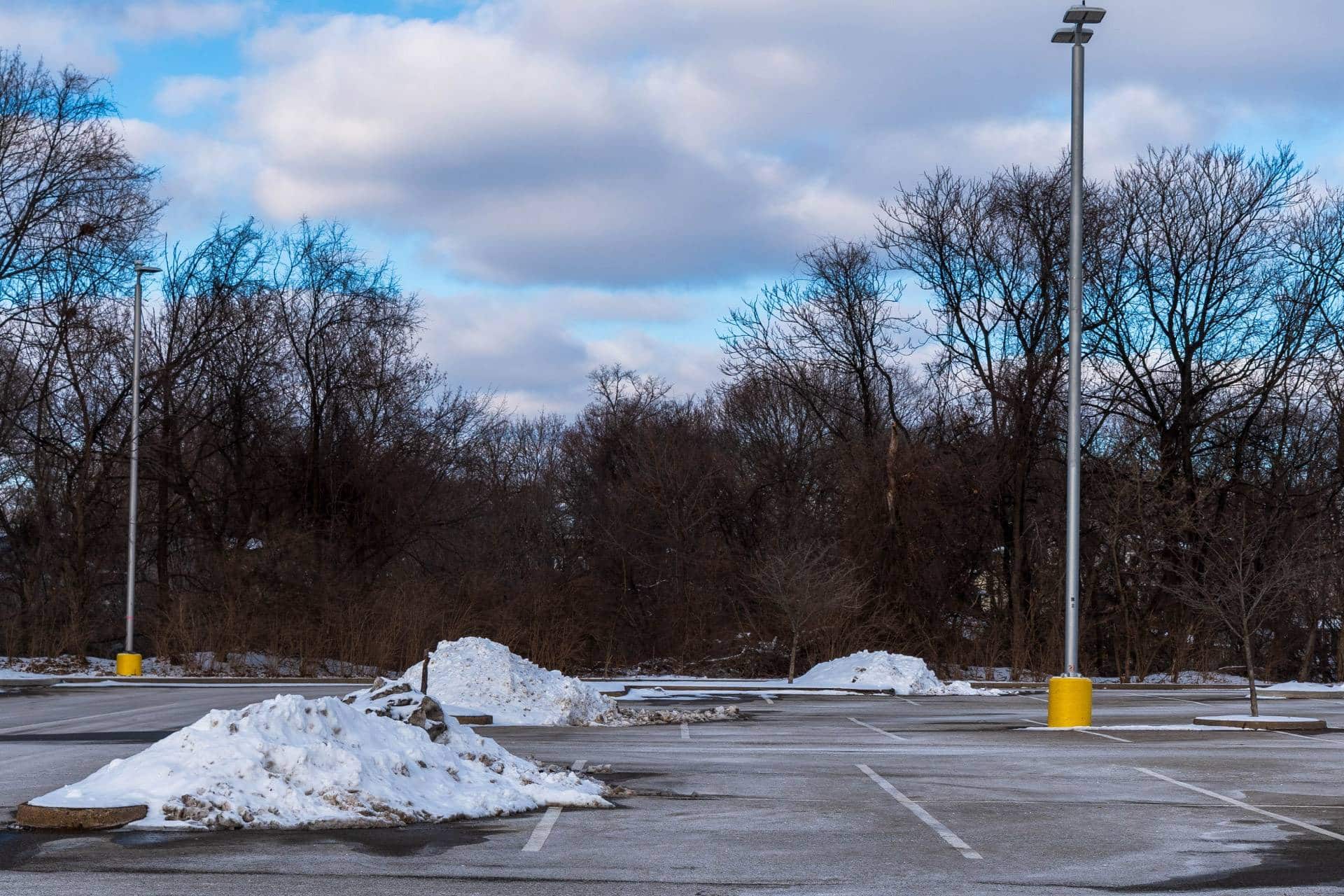
Fortunately, winter asphalt maintenance can help protect your pavement from seasonal damage. With the right preparation and snow removal practices, you can keep your asphalt in better condition throughout the colder months.
How Does Winter Weather Damage Asphalt?
Winter weather creates several challenges for asphalt surfaces. Snow and ice aren’t necessarily the biggest threats. The combination of moisture, freezing temperatures, and repeated temperature changes often causes the most damage.
Here’s how winter conditions affect your pavement:
- Freeze-thaw cycles: Water enters existing cracks, freezes, expands, and widens those openings.
- Snow and ice accumulation: Melting snow introduces moisture that can penetrate damaged pavement.
- Road salt and deicers: Excessive chemical use can contribute to surface deterioration and increase moisture exposure.
- Snowplow damage: Improper plowing techniques can scrape asphalt, damage edges, and worsen existing cracks.
Without regular maintenance, these conditions can accelerate pavement deterioration and shorten its lifespan.
5 Winter Asphalt Maintenance Tips to Protect Your Pavement
A proactive approach helps homeowners and business owners minimize winter damage and avoid unnecessary expenses.
1. Repair Cracks Before Temperatures Drop
Even small cracks allow water to penetrate your pavement. When temperatures fall below freezing, trapped moisture expands and creates larger openings.
Professional crack filling helps seal these vulnerable areas and limits water infiltration. Addressing cracks before winter arrives can reduce the risk of potholes and more extensive damage.
2. Schedule Sealcoating Before Winter
Sealcoating adds a protective layer that helps asphalt resist moisture, oxidation, and chemical exposure.
However, sealcoating requires suitable temperatures and dry conditions. Schedule this service during warmer months rather than waiting until freezing weather arrives.
Regular sealcoating helps maintain your pavement’s durability and appearance throughout the year.
3. Use Snow Removal Equipment Carefully
Snow removal keeps driveways and parking lots accessible, but aggressive plowing can damage asphalt.
Protect your pavement by following these practices:
- Adjust plow blades to avoid scraping the surface.
- Use rubber-edged blades when appropriate.
- Avoid pushing heavy snow piles against vulnerable pavement edges.
- Remove snow promptly to limit melting and refreezing.
These precautions support effective winter asphalt maintenance while reducing unnecessary surface damage.
4. Limit Salt and Chemical Deicers
Salt helps improve traction during icy conditions, but excessive application can create additional maintenance concerns.
Use deicing products according to manufacturer recommendations, and avoid applying more than necessary.
For additional traction, consider sand in appropriate areas. Remember that sand doesn’t melt ice, so you’ll still need an effective snow and ice management plan.
5. Maintain Proper Drainage
Standing water creates problems when temperatures fluctuate around freezing.
Clear drainage areas, remove debris, and watch for locations where melting snow collects. Proper drainage helps prevent moisture from entering cracks and weakening the pavement’s underlying structure.
Why Preventive Maintenance Matters In Northern Indiana
Property owners in Warsaw, Kosciusko County, and surrounding Northern Indiana communities know how unpredictable winter weather can become.
Consistent winter asphalt maintenance helps protect driveways, parking lots, and roadways from seasonal deterioration.
Proactive care also provides several long-term benefits:
- Reduces the likelihood of expensive pavement repairs.
- Extends the useful life of existing asphalt.
- Improves safety for drivers and pedestrians.
- Maintains your property’s curb appeal.
- Helps prevent small problems from becoming major repairs.
Protect Your Asphalt With Super Seal
Winter weather doesn’t have to mean expensive pavement damage. Taking preventive steps now can help your asphalt withstand Northern Indiana’s challenging conditions.
At Super Seal, our family-owned team brings over 30 years of experience to asphalt paving, maintenance, and repair. We help residential and commercial property owners protect their investments with dependable, long-lasting solutions.
Ready to improve your winter asphalt maintenance strategy? Contact Super Seal today to request a quote and prepare your pavement for the seasons ahead.
Frequently Asked Questions
Can snow and ice damage asphalt?
Yes. Melting snow introduces moisture into existing cracks. When temperatures drop, that water freezes and expands, potentially creating larger cracks and potholes.
Is road salt bad for asphalt driveways?
Asphalt generally tolerates road salt better than concrete. However, excessive salt use can contribute to moisture-related problems, especially when pavement already has cracks or structural weaknesses.
Should I sealcoat my driveway during winter?
No. Sealcoating requires appropriate temperatures and dry weather for proper application and curing. Schedule sealcoating during warmer months for better results.
How often should I inspect my asphalt during winter?
Inspect your pavement before winter and after significant snow or ice events. Look for new cracks, potholes, drainage problems, and damage from snow removal equipment.
About: Robert Swanson
You May Be Interested In:

How Preventive Asphalt Care Supports Long-Term Asset Management
3 weeks ago by Super Seal

The Connection Between Asphalt Maintenance And Insurance Compliance
1 month ago by Robert Swanson

Leaves, Debris, and Drainage: Keeping Your Parking Lot Clean Through Fall
2 months ago by Super Seal

Fall Maintenance Checklist: Preparing Your Asphalt For Cold Weather
3 months ago by Super Seal