The Connection Between Asphalt Maintenance And Insurance Compliance
General
 1 month ago
Property owners often think about parking lot maintenance in terms of appearance, longevity, and repair costs. But pavement condition can also affect safety, liability, and insurance considerations.
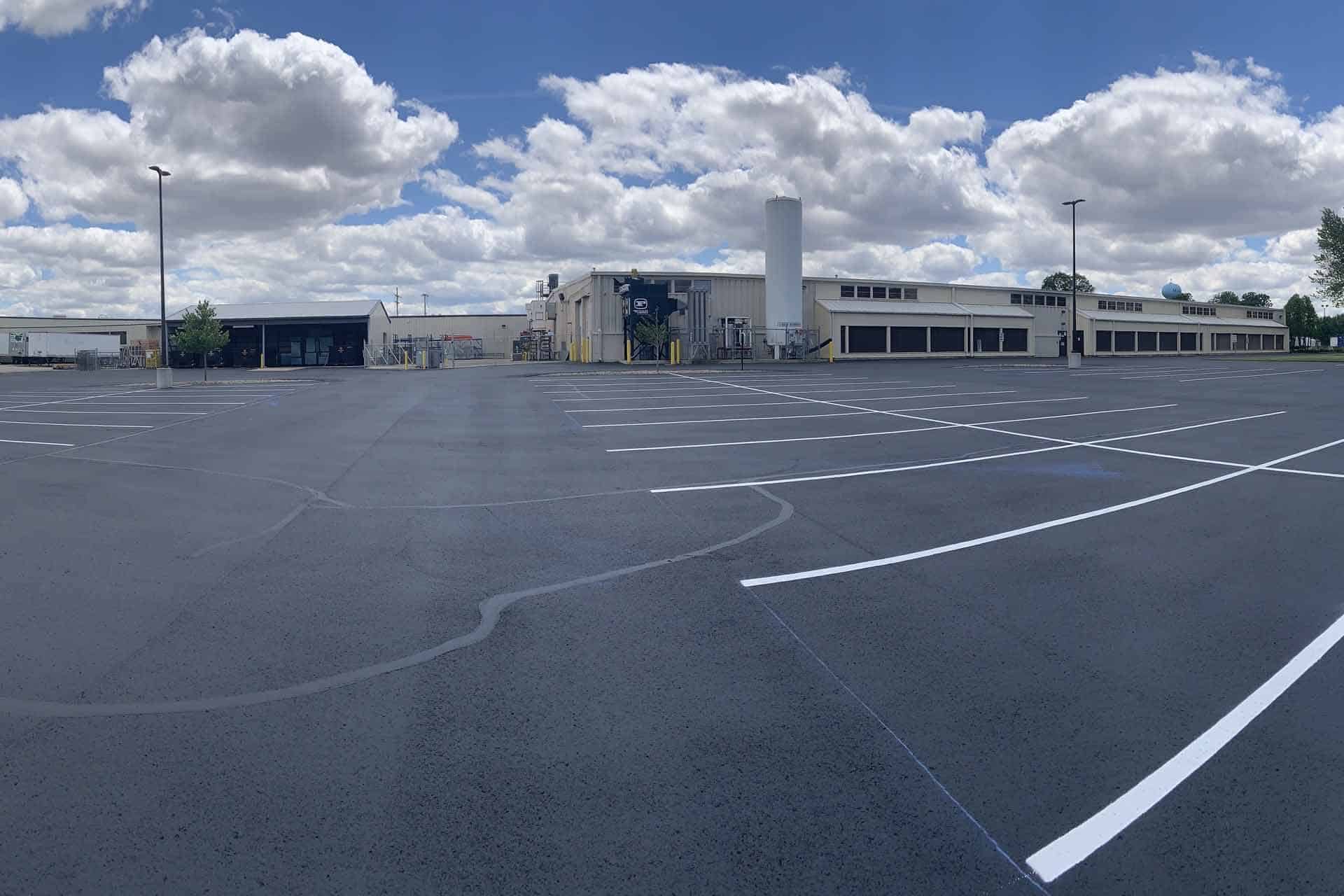
Regular commercial parking lot maintenance helps you address potential hazards before they contribute to accidents, property damage, or costly claims. While every insurance policy has different requirements, maintaining your pavement can support your risk management efforts and show you take property safety seriously.
How Can Parking Lot Conditions Affect Insurance Risk?
Insurance companies evaluate risk when they provide coverage and review claims. Potholes, large cracks, standing water, faded markings, and uneven pavement can increase the chance of slips, falls, vehicle damage, and other accidents.
If an incident occurs, an insurer may look at the circumstances surrounding the claim, including the condition of the property. Keeping inspection records, repair invoices, photographs, and maintenance documentation can help demonstrate the steps you’ve taken to maintain your parking lot.
Common pavement hazards include:
- Potholes that create trip hazards or damage vehicles
- Large cracks that create uneven walking surfaces
- Standing water that increases slip risks
- Poor drainage that contributes to ice during Northern Indiana winters
- Faded striping that creates confusion for drivers and pedestrians
- Deteriorating accessible parking areas that may create compliance concerns
Regular inspections allow you to find and address these problems early.
Can Parking Lot Maintenance Support Insurance Compliance?
No single maintenance schedule applies to every commercial insurance policy. Your insurer, property type, coverage, and policy terms can all affect your responsibilities.
However, consistent commercial parking lot maintenance can support the safety and risk management practices that insurers may expect from property owners. It also helps you create a documented history of inspections and repairs.
Consider keeping records of:
- Routine parking lot inspections
- Crack filling and pothole repairs
- Sealcoating services
- Drainage improvements
- Parking lot striping
- Snow and ice management
- Repair dates, photos, invoices, and contractor reports
Always review your policy or talk with your insurance professional to understand the requirements that apply to your property.
Prevent Small Pavement Problems From Becoming Bigger Risks
Small pavement problems can quickly turn into larger concerns. Water can enter cracks, weaken pavement, and contribute to potholes and uneven surfaces. Northern Indiana’s freeze-thaw cycles can accelerate that deterioration.
A proactive commercial parking lot maintenance plan helps you stay ahead of these issues. Crack filling helps limit water intrusion, while pothole repairs create a smoother, safer surface.
Sealcoating protects asphalt from water, UV exposure, oil, and everyday wear. Fresh striping also makes traffic patterns, parking spaces, and pedestrian areas easier to identify.
Together, these services can help extend pavement life while creating a safer environment for employees, customers, tenants, and visitors.
Make Parking Lot Inspections Part Of Your Risk Management Plan
Don’t wait for a customer to report a pothole or someone to get hurt before you inspect your pavement. Walk your property regularly and pay close attention after severe storms, snow, ice, or major temperature changes.
When you notice a problem, document the condition and schedule appropriate repairs. Staying consistent with inspections can help you reduce preventable hazards and avoid more expensive pavement problems.
Protect Your Parking Lot With Super Seal
For more than 30 years, Super Seal has helped commercial property owners throughout Northern Indiana protect their pavement with professional paving, repair, sealcoating, crack filling, striping, and parking lot services.
A safer, longer-lasting parking lot starts with proactive care. Contact Super Seal today to request a quote and learn how professional commercial parking lot maintenance can help protect your pavement, reduce property risks, and keep your business looking its best.
Frequently Asked Questions
Do poor parking lot conditions affect an insurance claim?
They can. An insurer may consider the circumstances surrounding an accident, including property conditions and maintenance practices, when reviewing a claim. Your individual policy determines how coverage applies.
What parking lot problems create liability risks?
Potholes, uneven pavement, standing water, ice, large cracks, poor drainage, and unclear pavement markings can increase the risk of accidents and injuries.
How often should a commercial parking lot be inspected?
Property owners should inspect parking lots regularly and after severe weather. Periodic professional inspections can also help identify developing pavement problems before they require larger repairs.
What types of asphalt maintenance can help reduce parking lot hazards?
Crack filling, pothole repair, drainage improvements, sealcoating, striping, and routine inspections can all help address conditions that may create safety concerns.
About: Robert Swanson
You May Be Interested In:
Winter-Proofing Your Pavement: How to Protect Asphalt From Snow, Ice, And Salt
6 days ago by Robert Swanson
How Preventive Asphalt Care Supports Long-Term Asset Management
3 weeks ago by Super Seal

Leaves, Debris, and Drainage: Keeping Your Parking Lot Clean Through Fall
2 months ago by Super Seal

Multi-Use Lots: Balancing Pedestrian Safety and Vehicle Traffic in Design
2 months ago by Super Seal