How Preventive Asphalt Care Supports Long-Term Asset Management
General

Your property’s asphalt surfaces represent a significant investment. Whether you manage a commercial parking lot, industrial facility, or private roadway, maintaining that investment requires more than occasional repairs. You need a long-term strategy to protect your pavement, control expenses, and keep your property looking its best.
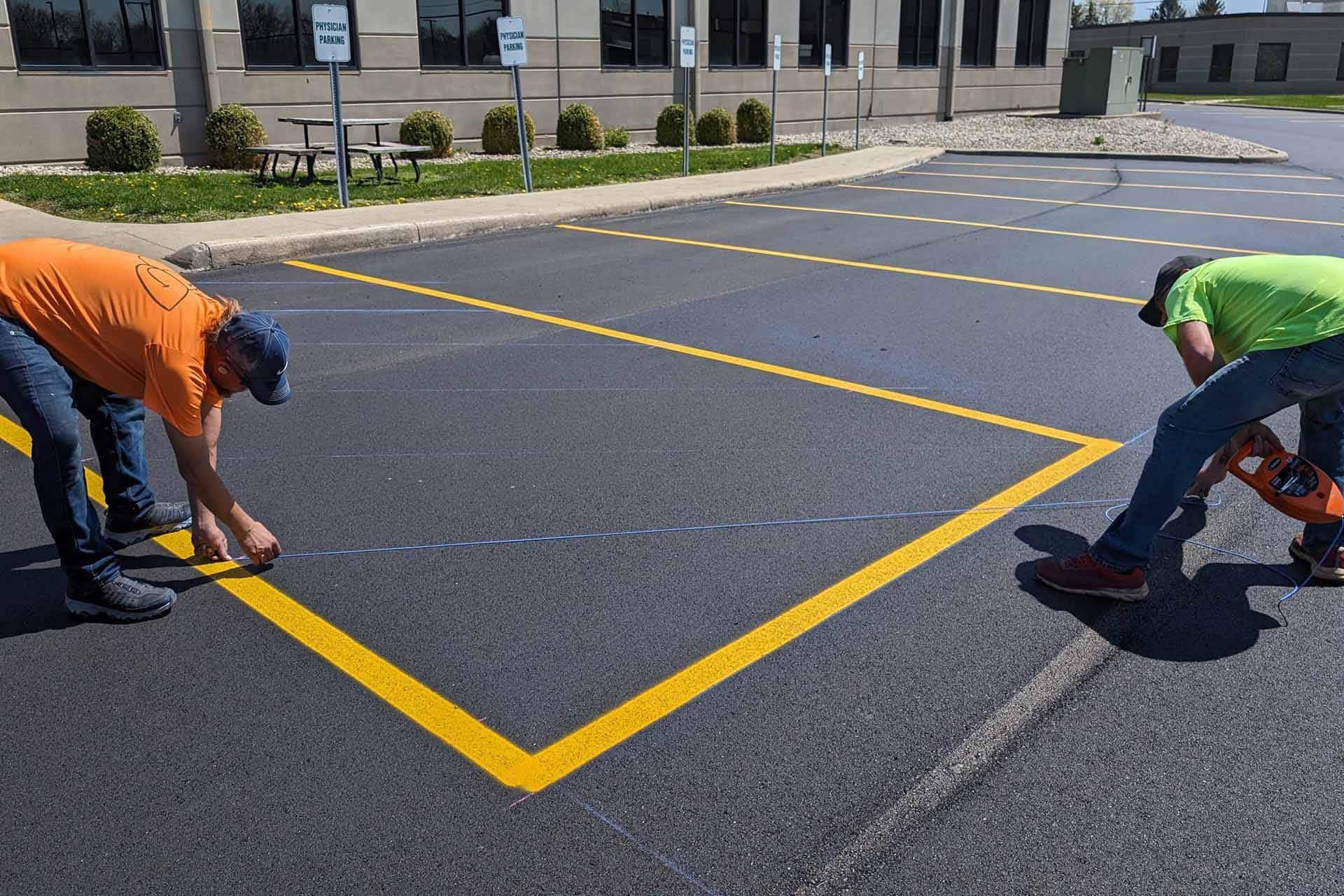
That’s where preventive asphalt maintenance makes a difference. By addressing minor issues before they become major problems, you can extend your pavement’s lifespan and make smarter decisions about your property’s future.
What Is Preventive Asphalt Care?
Preventive asphalt care involves routine inspections, maintenance, and minor repairs that help preserve your pavement’s condition. Instead of waiting for potholes, widespread cracking, or structural damage, you take proactive steps to protect your asphalt.
Common preventive maintenance services include:
- Sealcoating: Adds a protective barrier against UV rays, moisture, oil, and everyday wear.
- Crack Filling: Seals cracks to help prevent water from penetrating the pavement’s underlying layers.
- Pothole Repair: Addresses damaged areas before they expand and create additional hazards.
- Parking Lot Striping: Maintains clear traffic patterns, organized parking spaces, and visible markings.
- Routine Inspections: Identifies early signs of deterioration so you can plan appropriate repairs.
Together, these services help property owners and facility managers maintain safer, more attractive, and longer-lasting pavement.
How Preventive Asphalt Maintenance Supports Asset Management
Long-term asset management focuses on preserving property value while making efficient use of maintenance budgets. Your asphalt plays an important role in that strategy.
1. Extends the Life of Your Pavement
Asphalt faces constant exposure to traffic, sunlight, rain, snow, and changing temperatures. Over time, these conditions weaken the surface and contribute to deterioration.
Regular sealcoating and crack filling help slow that process. By protecting the pavement against moisture and surface wear, you can reduce premature damage and potentially delay expensive replacement projects.
2. Reduces Long-Term Repair Costs
Small cracks might seem harmless, but they can quickly turn into larger problems. Water can enter those openings, weaken the pavement’s foundation, and contribute to potholes and structural damage.
Preventive asphalt maintenance helps you address these issues early, when repairs typically cost less and require less extensive work.
Instead of facing unexpected reconstruction expenses, you can spread maintenance costs across multiple years and protect your budget.
3. Improves Safety and Accessibility
Damaged pavement doesn’t just affect your property’s appearance. Potholes, uneven surfaces, and faded parking lot markings can create hazards for drivers and pedestrians.
Routine asphalt care helps you:
- Reduce tripping hazards and vehicle damage risks.
- Maintain clear parking spaces and traffic flow.
- Improve accessibility throughout your property.
- Create a more welcoming experience for customers, employees, and visitors.
A well-maintained parking lot also demonstrates your commitment to maintaining a professional, functional property.
4. Makes Long-Term Budgeting Easier
Unexpected pavement repairs can disrupt your operating budget. A proactive maintenance strategy gives you greater control over future expenses.
With a consistent preventive asphalt maintenance plan, you can track pavement conditions, prioritize repairs, and anticipate larger projects.
This approach helps property managers make informed decisions about when to maintain, repair, resurface, or replace asphalt surfaces.
Building An Effective Asphalt Maintenance Plan
Every property has different needs. Traffic volume, pavement age, drainage conditions, and environmental exposure all influence your maintenance schedule.
To create an effective plan, start with these steps:
- Inspect your pavement regularly. Look for cracks, pooling water, potholes, fading, and surface deterioration.
- Prioritize problem areas. Address damage that threatens safety or could lead to more extensive repairs.
- Schedule routine maintenance. Plan sealcoating, crack filling, and other services around your pavement’s condition.
- Track maintenance history. Keep records of repairs, inspections, and expenses to guide future decisions.
- Work with experienced professionals. Choose an asphalt contractor who understands your property’s needs and long-term goals.
In Northern Indiana, seasonal temperature changes and freeze-thaw cycles make proactive pavement care especially important. Regular inspections can help you identify damage before harsh weather makes it worse.
Protect Your Investment With Super Seal
Your asphalt deserves the same long-term attention as the rest of your property. With the right maintenance strategy, you can reduce unexpected expenses, improve safety, and preserve your pavement’s value.
At Super Seal, we bring over 30 years of experience to asphalt paving, repair, and maintenance throughout Northern Indiana. Our family-owned team provides dependable solutions that help commercial property owners protect their investments.
Ready to make preventive asphalt maintenance part of your long-term asset management strategy? Contact Super Seal today to request a quote and discover how our asphalt maintenance services can help your pavement last longer.
Frequently Asked Questions
How often should commercial asphalt receive preventive maintenance?
Inspect commercial asphalt at least once or twice annually and after severe weather. Your pavement’s condition, traffic volume, and age will determine how frequently you’ll need sealcoating, crack filling, and repairs.
Can preventive asphalt care extend pavement lifespan?
Yes. Regular maintenance helps protect asphalt against moisture, oxidation, and surface deterioration. Addressing minor damage early can delay major repairs and extend your pavement’s useful life.
What’s the difference between preventive maintenance and asphalt repair?
Preventive maintenance focuses on protecting pavement before significant damage develops. Asphalt repair addresses existing problems such as potholes, deteriorated sections, and structural damage.
Why does asphalt maintenance matter for commercial property management?
Consistent maintenance helps property managers control costs, reduce safety hazards, preserve curb appeal, and plan future capital improvements. It also supports long-term property value and operational efficiency.
You May Be Interested In:

Winter-Proofing Your Pavement: How to Protect Asphalt From Snow, Ice, And Salt
6 days ago by Robert Swanson

The Connection Between Asphalt Maintenance And Insurance Compliance
1 month ago by Robert Swanson

Leaves, Debris, and Drainage: Keeping Your Parking Lot Clean Through Fall
2 months ago by Super Seal

Fall Maintenance Checklist: Preparing Your Asphalt For Cold Weather
3 months ago by Super Seal